



Expert publications
expert.resultsCount
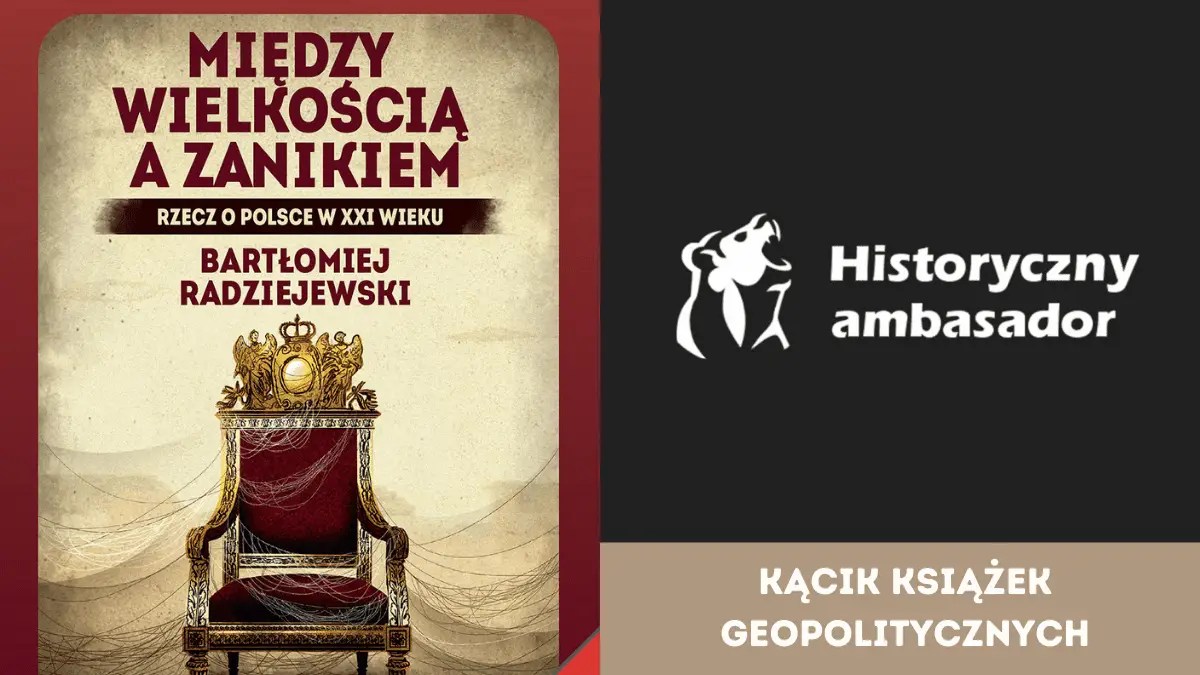
Between greatness and decline. A book about Poland in the 21st century - on Bartłomiej Radziejewski's book
Bartłomiej Radziejewski's book, by the founder of the think-zine Nowa Konfederacja, sparked great enthusiasm in me. The author correctly identifies areas for critical analysis of Poland's position in the international system, as well as the condition of the economic, social, and institutional-political order in Poland itself. […]
08/01/2023
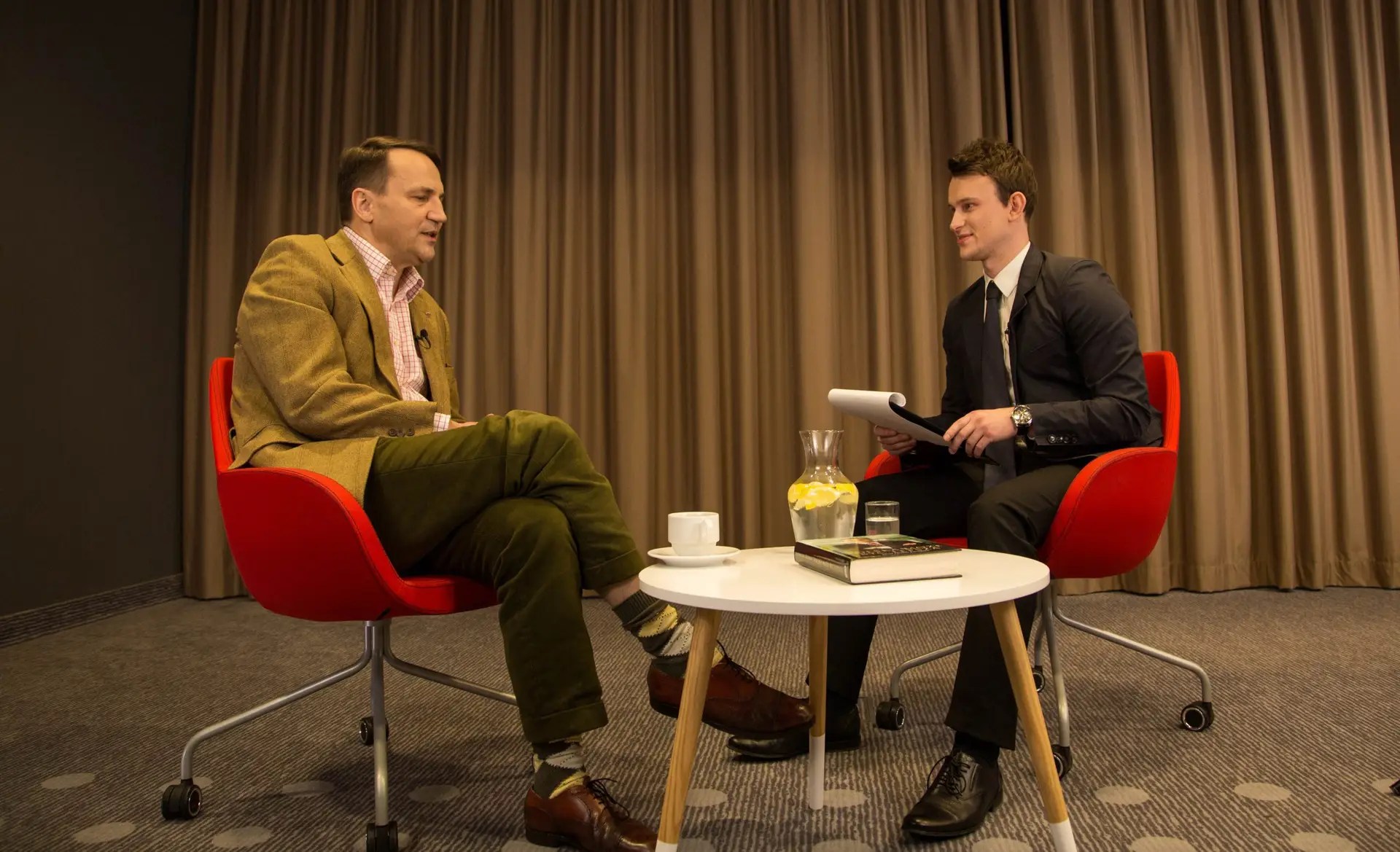
Minister Radosław Sikorski: Poland Can Be Better in International Competition. What Does It Look Like?
08/01/2023
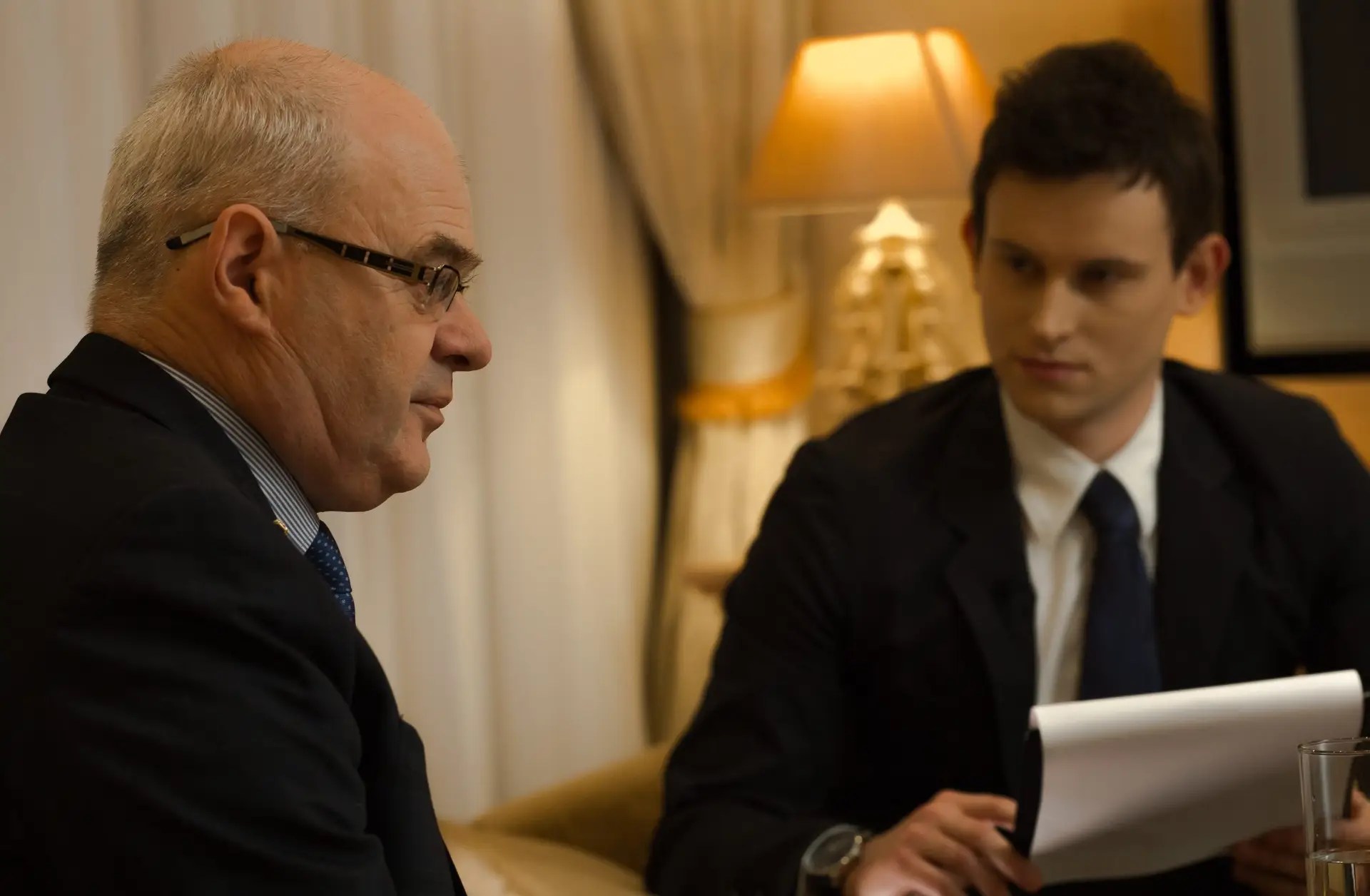
General Skrzypczak: Military challenges for Poland's strategy in the context of the global Great Power Game
08/01/2023
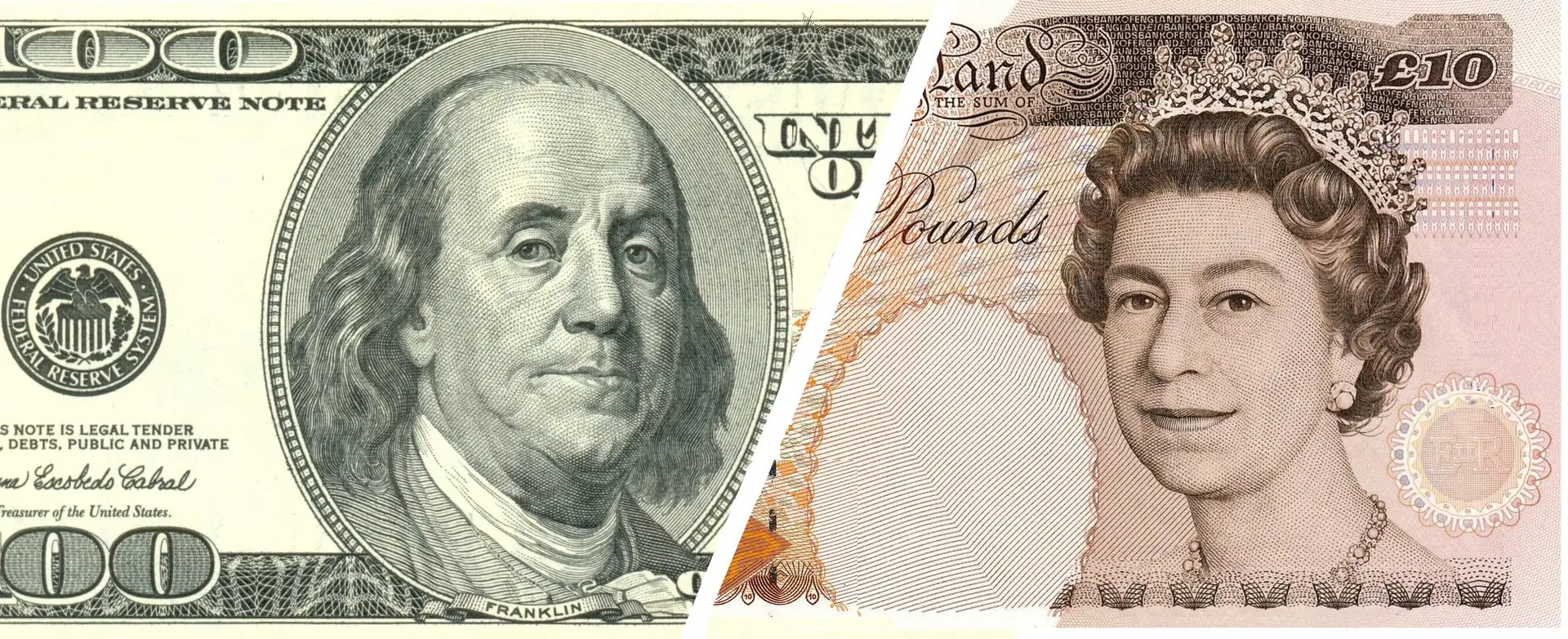
The path to overthrowing the pound's hegemony and establishing the Dollar Empire
World War I ended the undivided reign of the British pound (GBP), and with it, the structures of the gold standard were shaken. The United States lent Great Britain $5 billion (total war debt – $43 billion in current values) and France $4 billion ($30 billion) to finance its war efforts. Germany, on the other hand, was indebted […]
08/01/2023
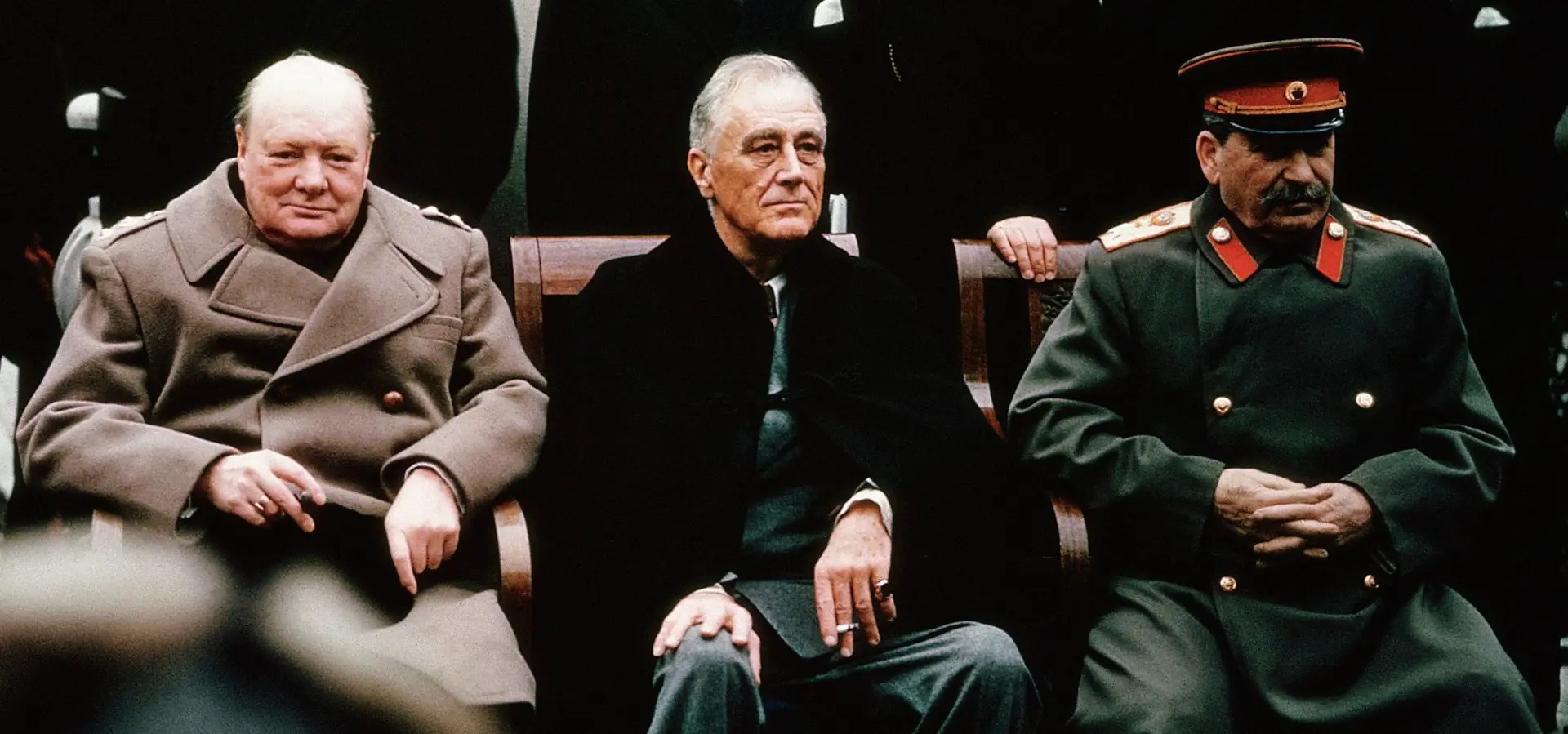
What Started the Cold War? Sources of Conflict Between the United States and the Soviet Union
The Soviet Union, being in a defensive position, decided to retaliate for the first time on 'neutral' territory. This was primarily due to the Soviet Union's possession of nuclear weapons and the burgeoning prosperity within the Warsaw Pact bloc. The Soviet economy was not strong enough to exert subtle (economic) influence, leaving the Soviet Union with only one effective tool, which is perceived […]
08/01/2023
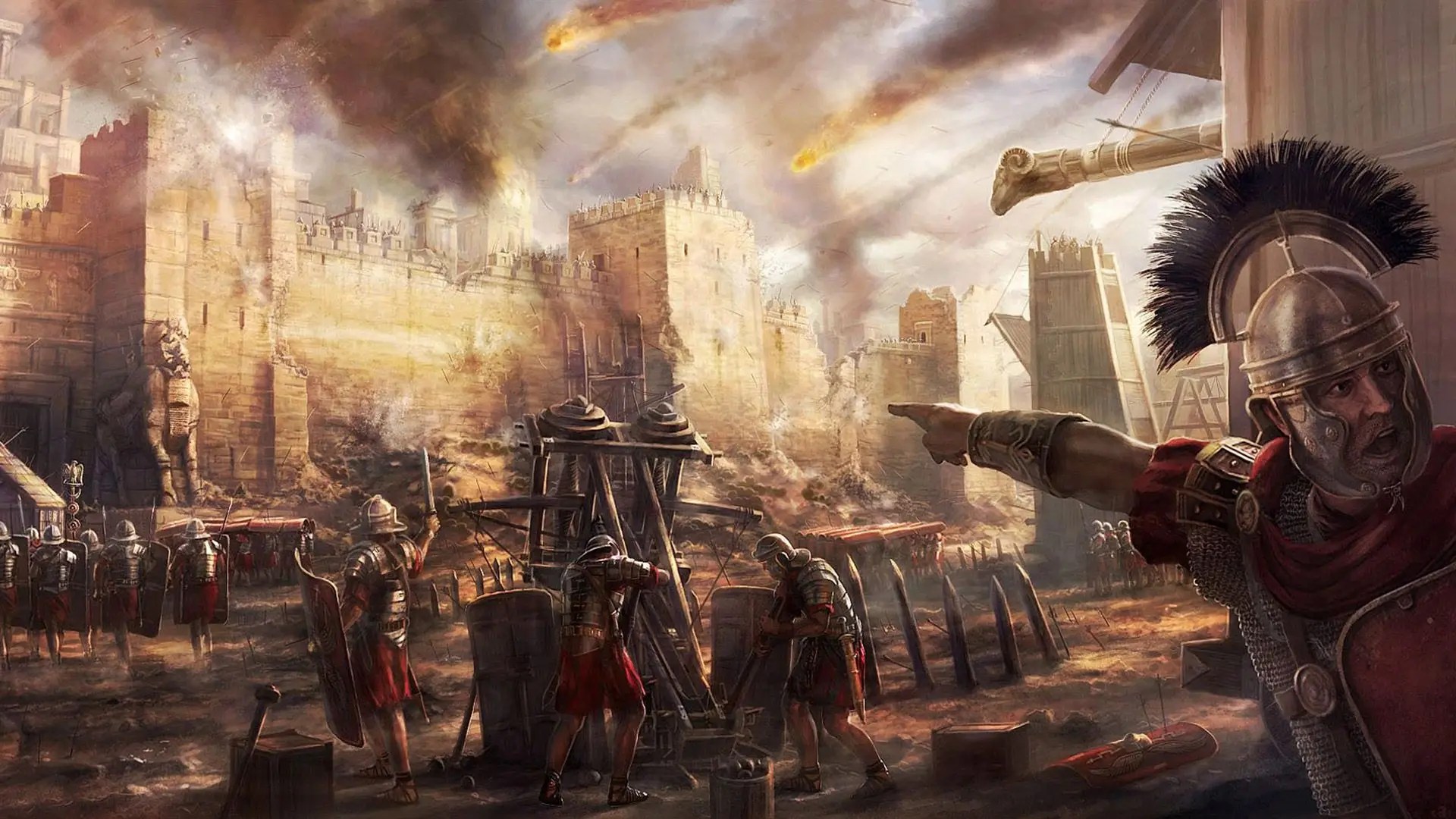
Dominance of Land Powers: Historical Determinants
The development of major trade centers is closely linked to historical patterns of human settlement. Some locations in geographical space are more significant than others because they are situated on key communication routes leading to raw material, demographic, and production resources. […]
08/01/2023
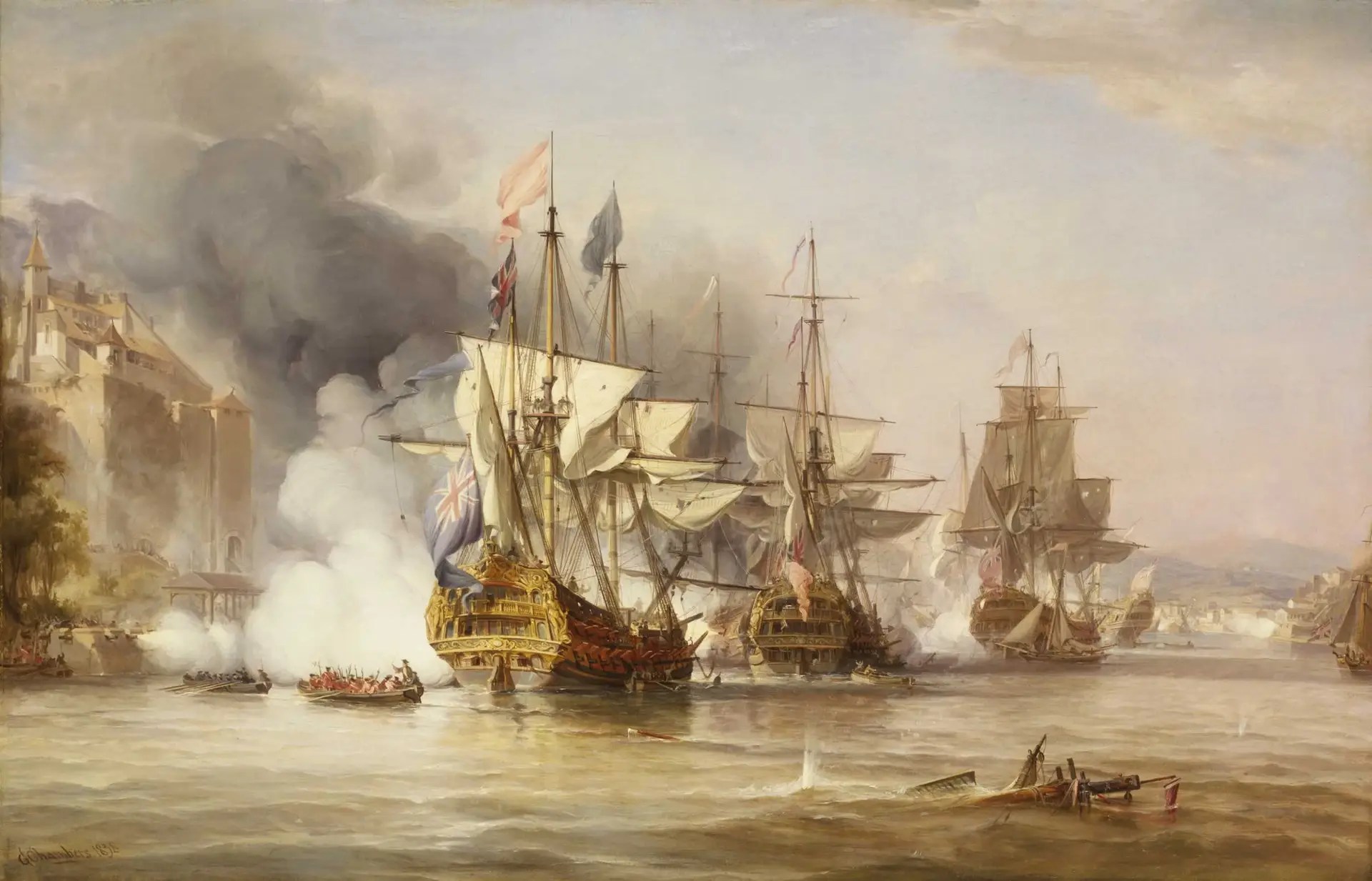
The Primacy of Maritime Powers: Trade Routes, Capital, Banking, and Hegemonic Cycles
The rise and expansion of Islam led to the collapse of trade routes in Europe, and consequently to Europe's economic stagnation. The Middle East was, and still is, a kind of trade valve. Land trade from Asia to Europe passed through the Middle East. The Silk Road, which was an incredibly important trade artery, ran through this region.
08/01/2023
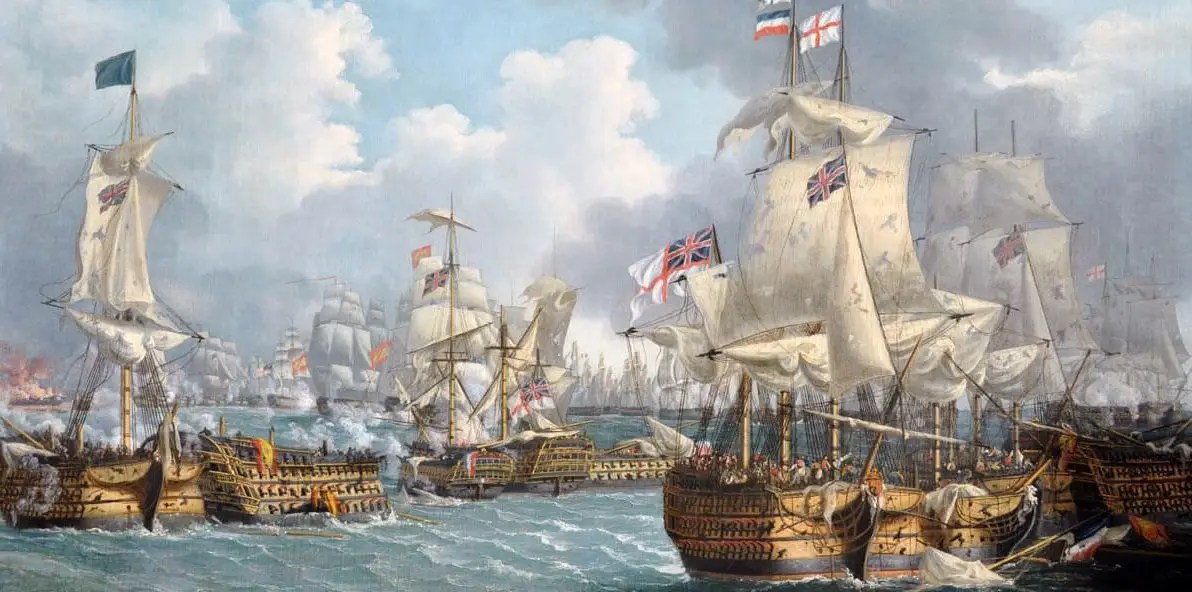
Hegemonic Clash: The Spanish Empire, England, and the United Provinces of the Netherlands
The British joined the European race for overseas empires relatively late. The English looked enviously at the empires of Spain and Portugal. Proponents of war with Spain saw it as an English religious duty to build a Protestant empire rivaling the Catholic ones. Starting in 1576, England began long-distance exploratory voyages to the Americas. […]
08/01/2023
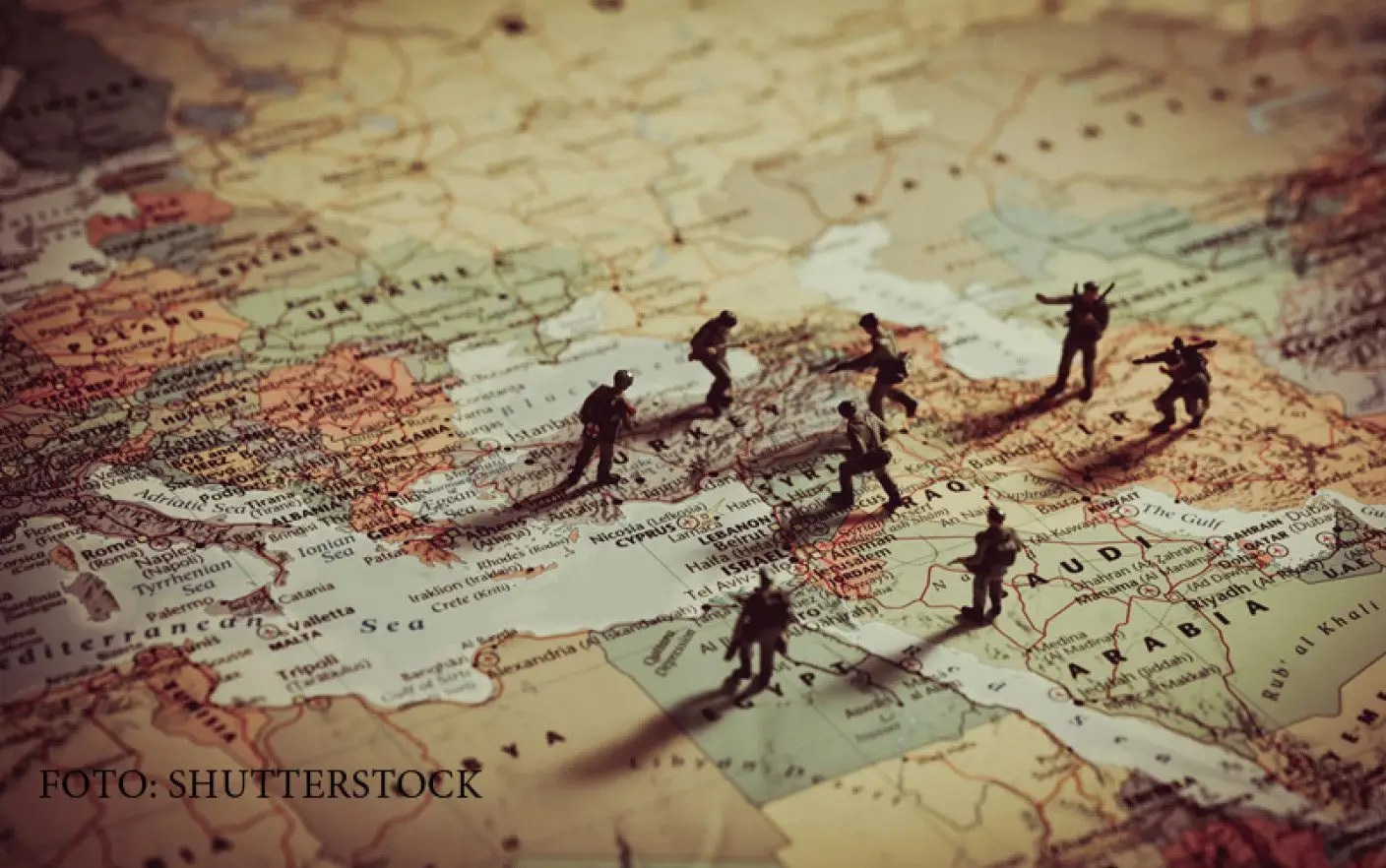
The Essence of the Middle East in the Great Power Rivalry
After 1991, as the sole superpower, the United States engaged in numerous armed conflicts to maintain its primacy, expanding its spheres of influence on the international stage to key strategic locations such as the Balkans (Kosovo War), control of the Middle East—the so-called Middle East Pentagon (both Persian Gulf Wars and the Iraq War), and influencing Iran and Central Asia […]
08/01/2023